


3 Functional Mushrooms + Ceremonial Japanese Matcha
Mushroom Matcha
Ceremonial-grade Japanese matcha, spring harvest from Matsushita Tea Garden in Kakegawa City, Shizuoka, stone-milled and blended with Lion's Mane, Cordyceps, and Reishi mushroom powder. Each bag brews about 28 servings at roughly 30-70 mg of caffeine per 8 oz cup, whisked at 175°F.
Roasted and blended in California
Free U.S. delivery
Ships in 1-2 business days
How many bags?
3
Functional Mushrooms
28
Servings per Bag
30-70 mg
Caffeine per Cup
175°F
Brew Temperature
What Do Customers Say About Mushroom Matcha?
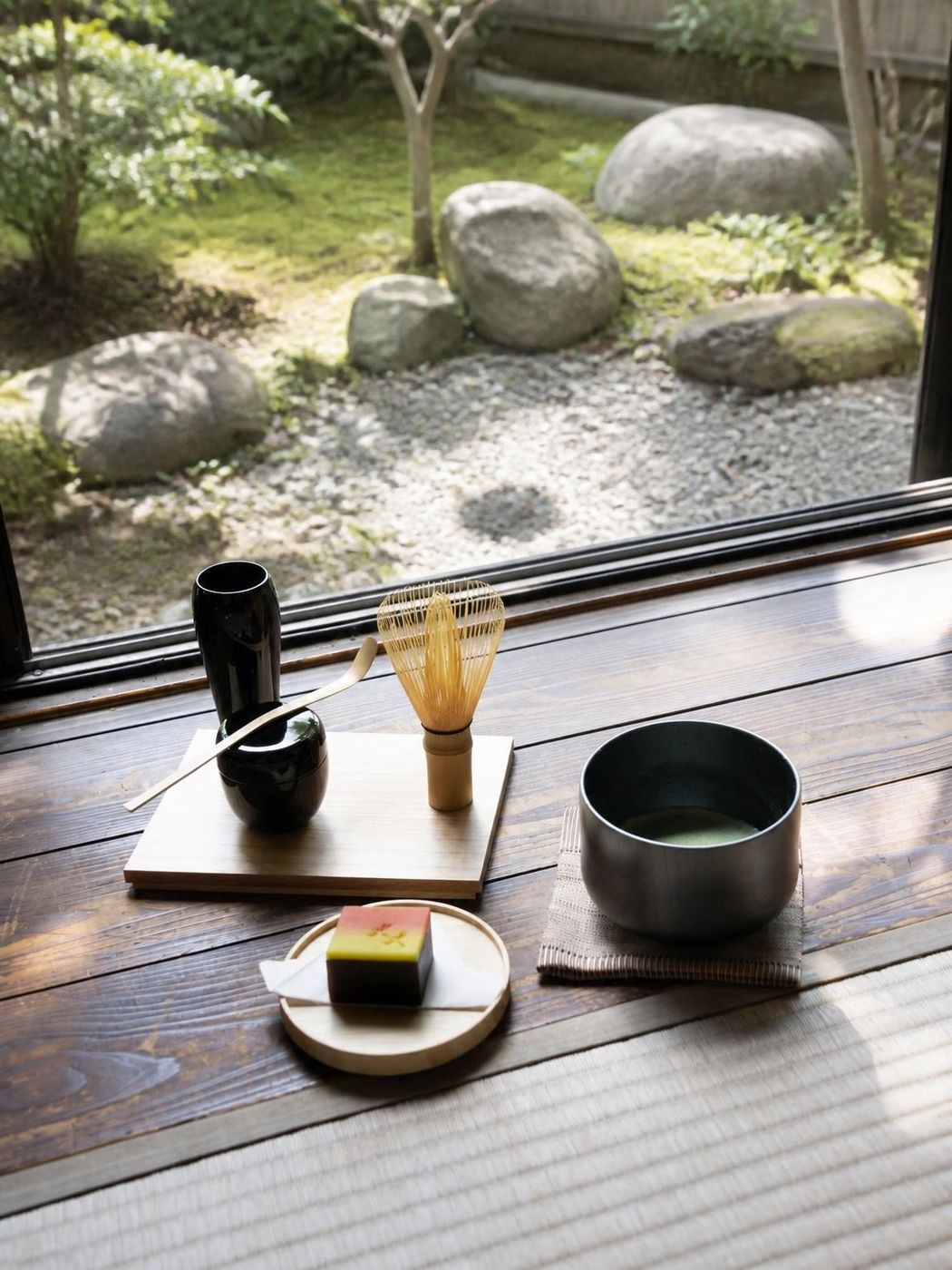
Real customers describe steadier energy, an earthy mushroom-forward flavor, and an easy daily whisking routine, shown in the photos below.


What Is Mushroom Matcha?
Mushroom matcha is a Japanese tea powder made from ceremonial-grade, stone-milled green tea leaves blended with dried functional mushrooms such as Lion's Mane, Cordyceps, and Reishi. Stone grinding wheels slowly mill shade-grown tencha leaves into a fine powder, the same process used for traditional matcha. Unlike hojicha or other steeped teas, matcha is whole-leaf powder, so the entire cup delivers real caffeine, commonly cited around 30-70 mg per 8 oz serving. Matcha is also naturally rich in L-theanine, an amino acid that works alongside its caffeine to produce steadier energy than coffee, without erasing the caffeine itself.
Mushroom matcha does not taste like coffee. Ceremonial-grade Japanese matcha has a vegetal, umami-forward flavor with natural sweetness, and the Shizuoka-grown matcha in this blend leans sharper and more assertive than Kyoto-style matcha, with a refreshing astringency. Its mouthfeel is lighter than brewed coffee or espresso and does not naturally produce espresso-style crema, although whisking creates a light foam and milk can add body. Prepare it with dairy or plant milk and sweeteners to make a latte-style drink. Served hot in a mug as part of the same morning routine, it can also replace much of coffee's sensory ritual, although whether it provides the same psychological comfort depends on the individual.
Where Does the Matcha in Mushroom Matcha Come From?
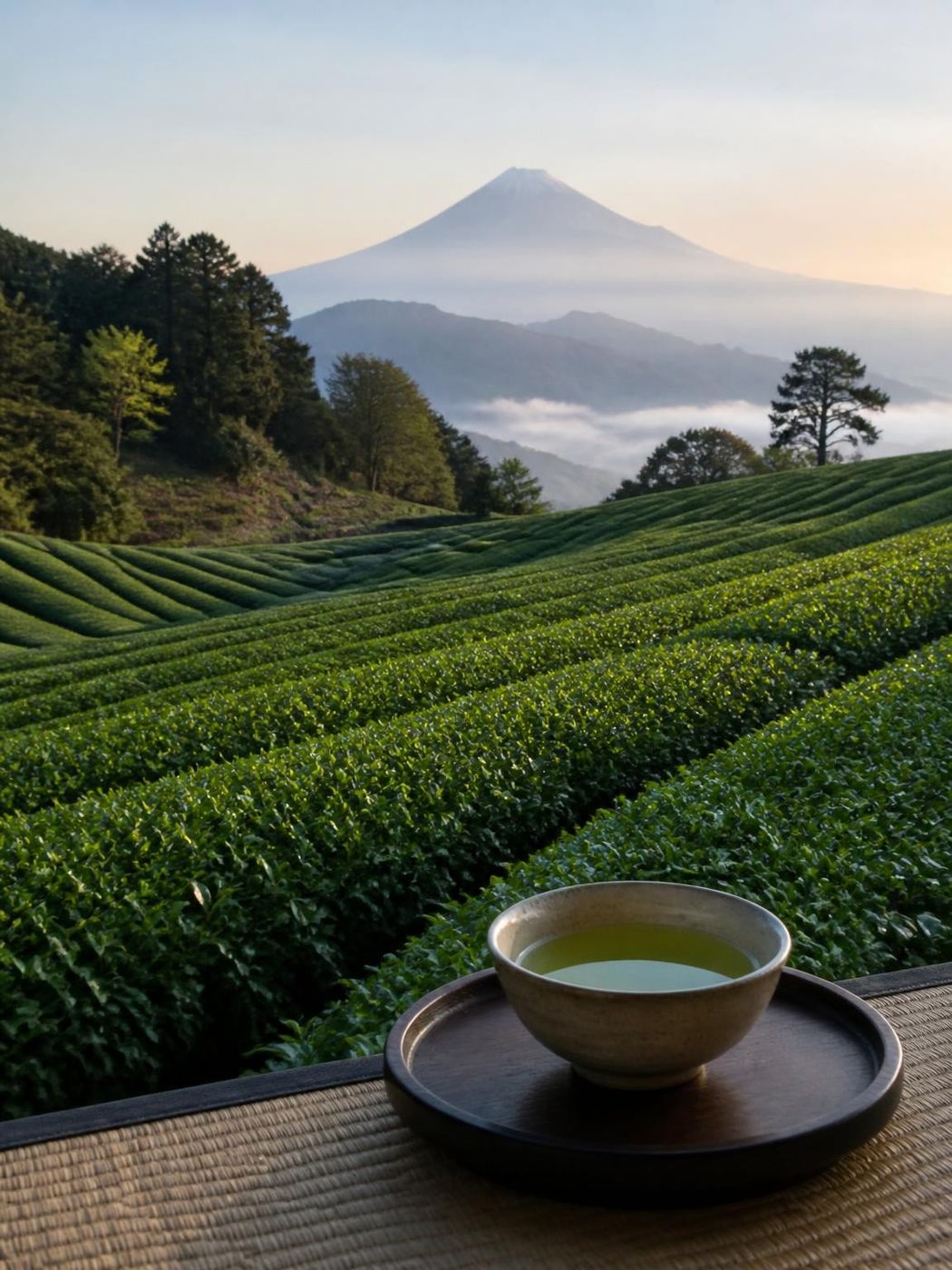
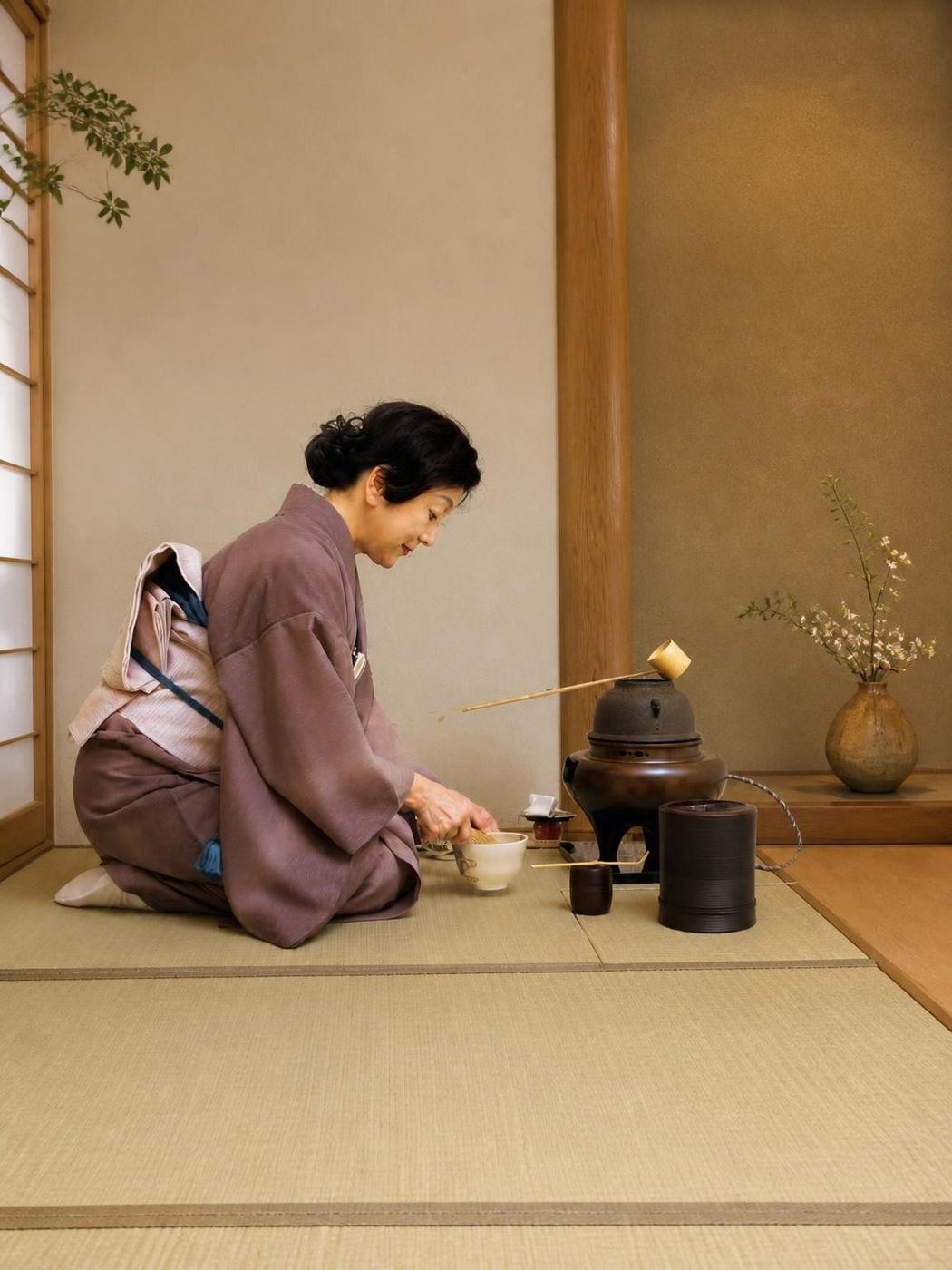
The base tea in this blend is grown at Matsushita Tea Garden in Kakegawa City, Shizuoka Prefecture, Japan's largest tea-growing region, on the Pacific coast near Mt. Fuji. Warm, humid conditions, roughly 2,000 to 2,500mm of annual rainfall, fertile volcanic-ash soil, and a moderating sea breeze shape a matcha that's sharper and more assertive than Kyoto-style Uji matcha, with a refreshing astringency that holds up well against milk. It's a spring harvest, hand-selected blend of two cultivars: Saemidori, prized for rich umami and natural sweetness with very low astringency, and Tsuyuhikari, known for soft floral notes and cold-hardiness. The leaves are steamed, dried into tencha, and stone-milled into the fine, vivid green powder used in this blend.
How Does Mushroom Matcha Compare to Other Drinks?
Mushroom matcha differs from hojicha, plain matcha, drip coffee, and mushroom coffee mainly in caffeine level, preparation, and flavor, compared section by section below.
How Does Mushroom Matcha Compare to Hojicha?
Matcha is unroasted, shade-grown green tea, while hojicha is roasted green tea. Because matcha is whole-leaf powder consumed in full, it carries a real caffeine dose, commonly 30 to 70 mg per 8 oz cup, while hojicha's roasting process and steep-and-strain preparation leave it much lower, typically 7 to 15 mg per cup. Matcha has a grassy, umami flavor, and hojicha has a toasted, nutty flavor.
How Does Mushroom Matcha Compare to Plain Matcha?
Plain ceremonial matcha is stone-milled green tea on its own, with the same umami-forward flavor and roughly the same 30 to 70 mg per cup caffeine range. Mushroom matcha adds functional mushroom powder to that same tea base, contributing flavors and compounds that vary by mushroom type.
How Does Mushroom Matcha Compare to Drip Coffee?
Drip coffee brews roasted coffee grounds, generally delivering more caffeine at around 95 mg per cup, along with stronger bitterness and acidity. Matcha's caffeine, roughly 30 to 70 mg per cup, is often described as producing steadier energy with less of a crash, a difference commonly attributed to L-theanine, an amino acid matcha is rich in that works alongside caffeine to smooth out the stimulant effect. Exact caffeine levels depend on the product and serving size.
How Does Mushroom Matcha Compare to Mushroom Coffee?
Mushroom coffee blends the same category of functional mushroom powder, often Lion's Mane, Chaga, or Cordyceps, into roasted coffee rather than into matcha, so it keeps coffee's full caffeine load, commonly cited around 95 mg per 8 oz cup unless the base is decaf. Mushroom matcha instead starts from matcha's own caffeine, commonly 30 to 70 mg per cup, so the two drinks land in different caffeine ranges even though both add mushroom powder for the same traditional reasons. The mushroom content itself contributes negligible caffeine in either drink, the real difference comes from the base beverage, roasted coffee bean versus stone-milled green tea leaf. Flavor differs too, mushroom coffee tastes like coffee with an earthy undertone, while mushroom matcha keeps matcha's grassy, umami profile.
What Is Mushroom Matcha Powder?
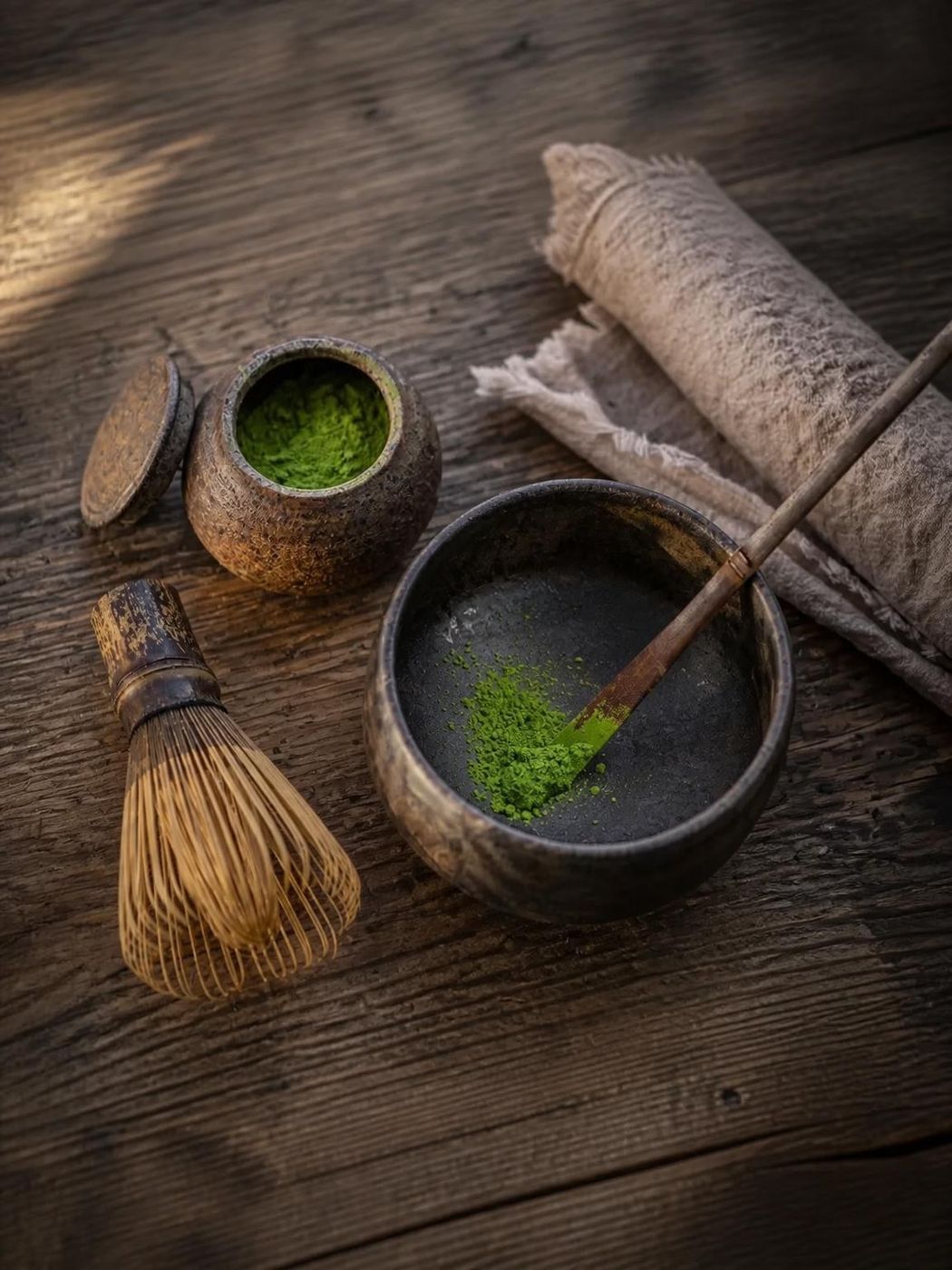
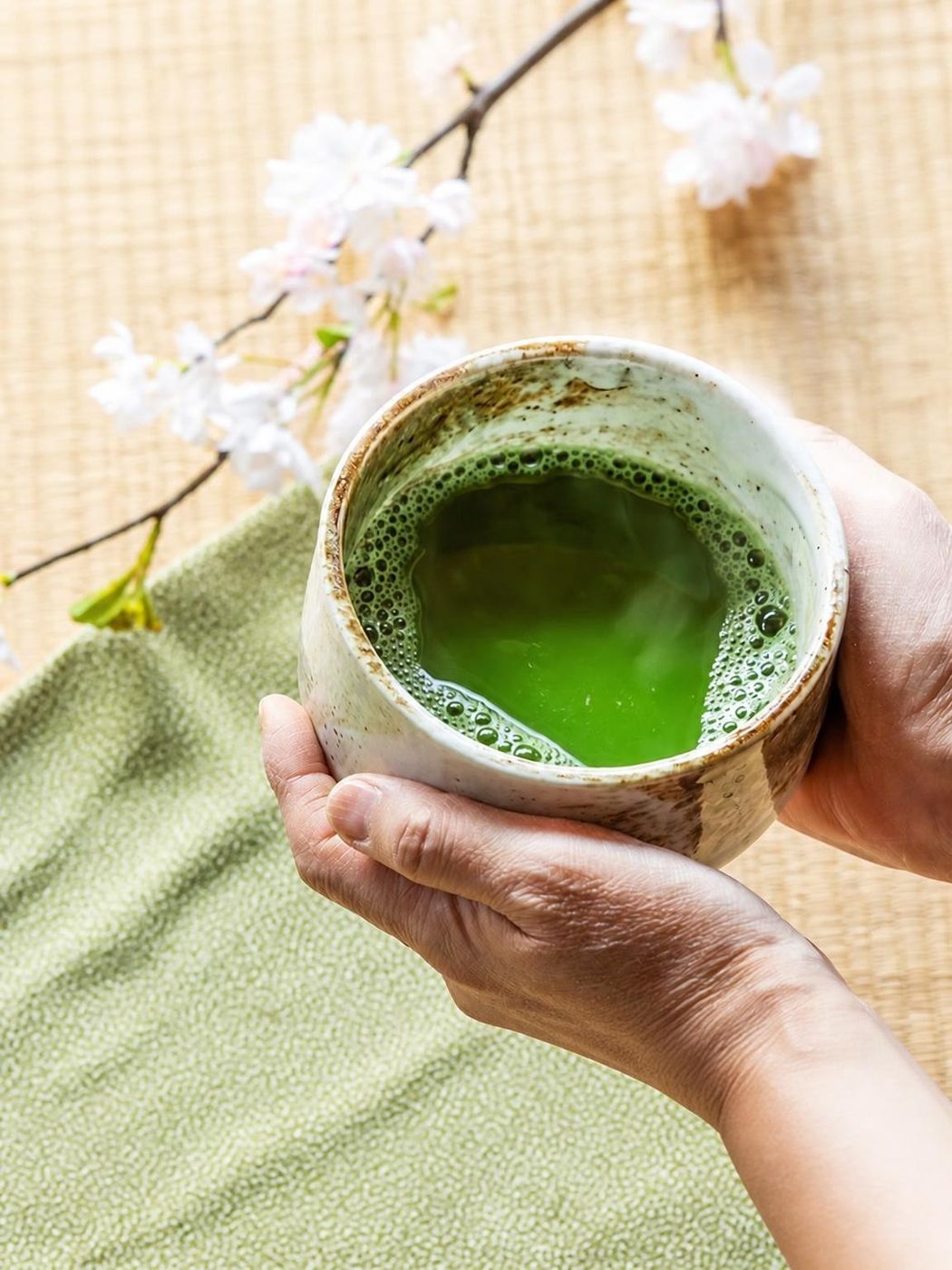
Mushroom matcha powder is ceremonial-grade, stone-milled Japanese matcha blended with whole functional mushroom powder rather than a mushroom extract, ground fine enough to whisk smoothly into water or milk. The tea leaf and the mushroom powder are milled and mixed together into one fine powder, so a single scoop delivers both the matcha and the Lion's Mane, Cordyceps, and Reishi in the same dose. Like plain ceremonial matcha, it is whisked directly into the cup and never steeped and strained, so the entire powder, mushroom content included, ends up in the finished drink.
A quality mushroom matcha powder should have a vivid, saturated green color from real stone-milled matcha rather than a dull, brownish, or yellowish tint, which usually signals a lower grade or oxidized tea. Look for a fine, consistent grind with no gritty texture, an ingredient list with no filler starches or added sugars, and clear labeling of the matcha's origin and the mushroom species used. Because the mushroom powder is real dried fungal material and not an isolated extract, some natural sediment settling at the bottom of the cup is normal and not a sign of a lower-quality product.
How Do You Make a Mushroom Matcha Latte?
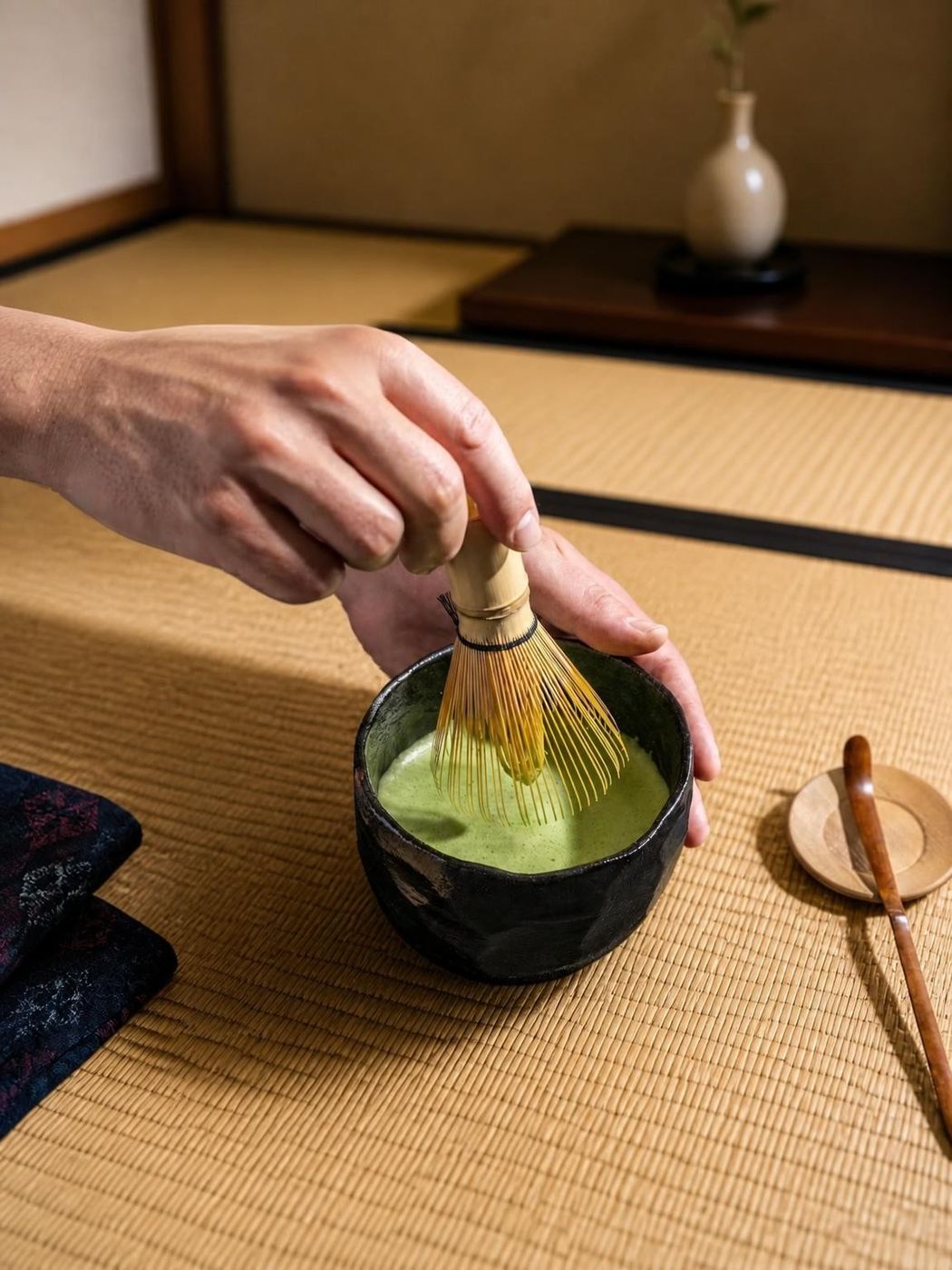
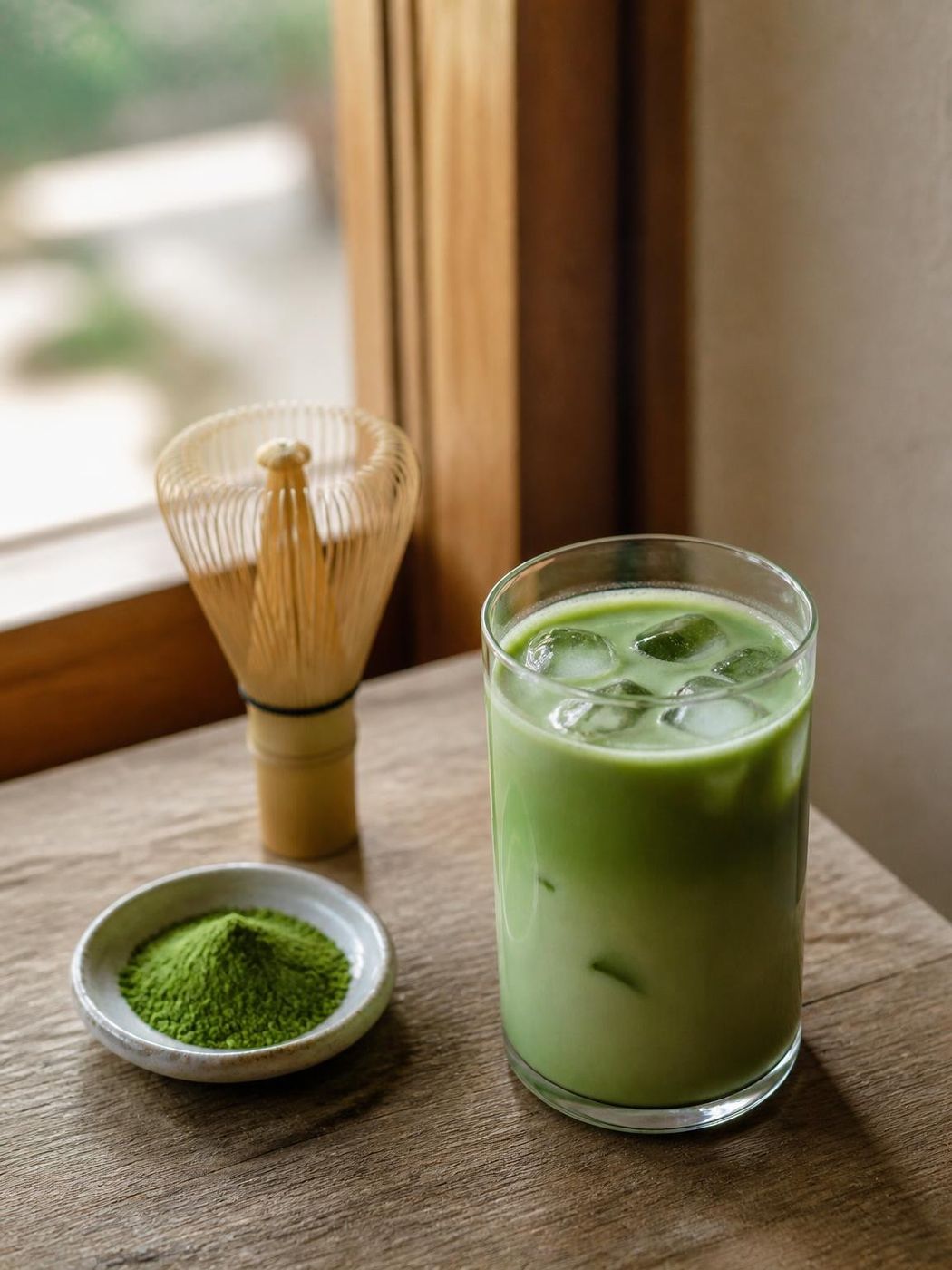
A mushroom matcha latte is made by whisking about 1 g of mushroom matcha powder into a small amount of hot water heated to 175°F until smooth and free of clumps, then adding steamed milk for a hot latte or cold milk and ice for an iced version. Use a bamboo chasen whisk in a brisk zigzag motion, or a handheld milk frother, to fully dissolve the powder before the milk goes in, whisking the powder directly into milk tends to leave clumps behind.
For a hot latte, steam or heat dairy or plant-based milk separately and pour it over the whisked matcha base. For an iced latte, whisk the powder into the hot water first, then pour that concentrate over ice and top with cold milk. Shizuoka-grown matcha, like the Kakegawa matcha in this blend, is known for holding its flavor well against milk instead of getting lost in it, so the grassy, umami character still comes through once milk is added.
Is Mushroom Matcha Good for You?
Yes, mushroom matcha can be good for you when it combines unsweetened ceremonial-grade matcha with edible functional mushrooms. Matcha contains antioxidant polyphenols, including catechins such as epigallocatechin gallate (EGCG), epigallocatechin (EGC), epicatechin gallate (ECG), and epicatechin (EC). Because matcha is consumed as whole-leaf powder rather than steeped and strained, these compounds stay in the cup at higher concentrations than in most brewed teas. Matcha also naturally contains L-theanine, an amino acid studied for working alongside caffeine to promote calmer alertness.
Matcha's effects on the body have also been tested directly in prior research on green tea more broadly. Studies on green tea and hojicha, a related roasted Japanese green tea, have linked hot green tea consumption to markers of lower physiological stress and better subjective scores for fatigue, stress, and mental flow during cognitive tasks. Because matcha shares the same tea plant origin, it is commonly discussed alongside these findings, though matcha's own caffeine and catechin levels run higher than roasted or steeped teas due to how it is consumed.
The mushroom species changes the nutritional profile and potential health effects. Lion's mane (Hericium erinaceus) contains beta-glucans, hericenones, and erinacines studied for neurological effects. Reishi (Ganoderma lucidum) contains beta-glucans and triterpenoids, including ganoderic acids, studied for immune and other biological effects. Cordyceps species contain polysaccharides and compounds such as cordycepin studied for effects on exercise performance, metabolism, and immune function.
Matcha is a genuinely caffeinated tea, commonly cited at 30-70 mg per 8 oz cup, so it is not a low-caffeine or caffeine-free product. Check ingredients and potential interactions before regularly consuming concentrated mushroom powders if you take medications, are pregnant or breastfeeding, or have mushroom allergies or relevant medical conditions.
What Are the Three Mushrooms in Mushroom Matcha?
The three mushrooms in mushroom matcha are Lion's Mane, Cordyceps, and Reishi, each added as whole mushroom powder for a different traditional use alongside the ceremonial matcha base.

What Does Lion's Mane Do in Mushroom Matcha?
Lion's Mane, one of the three mushrooms in this blend, is traditionally used for its association with mental clarity and focus. A 2023 double-blind, placebo-controlled pilot study by Docherty, Doughty, and Smith at Northumbria University, published in Nutrients, tested 41 healthy adults aged 18 to 45. A single dose improved speed on a cognitive task after 60 minutes, and 28 days of supplementation showed a trend toward reduced subjective stress, though the sample was small and that result fell just short of standard statistical significance.

What Does Cordyceps Do in Mushroom Matcha?
Cordyceps is traditionally used for stamina and vitality. A 2010 double-blind, placebo-controlled trial by Chen and colleagues at UCLA's Center for Human Nutrition, published in the Journal of Alternative and Complementary Medicine, gave 20 healthy older adults (ages 50 to 75) a cultivated Cordyceps sinensis strain for 12 weeks. Metabolic threshold rose 10.5% and ventilatory threshold rose 8.5% versus placebo, though the study found no change in VO2 max in either group. It's the stamina-focused mushroom in this blend.

What Does Reishi Do in Mushroom Matcha?
Reishi is often called the mushroom of balance and is traditionally used for calming and grounding qualities. A 2026 randomized, double-blind, placebo-controlled trial by Hisamuddin and colleagues, conducted across several Malaysian institutions including Universiti Sains Malaysia and Sunway University and published in Brain and Behavior, tested a mushroom blend containing Reishi in 50 participants. Over 12 weeks it found significant reductions in cortisol, ACTH, and CRP, along with improved anxiety, fatigue, and sleep quality scores. Alongside Lion's Mane and Cordyceps, it completes the three-mushroom blend in this matcha.
Mushroom matcha is a supplement beverage blend, not a drug. These statements have not been evaluated by the FDA and this product is not intended to diagnose, treat, cure, or prevent any disease.
Frequently Asked Questions
Is mushroom matcha caffeinated?
Yes, mushroom matcha is a genuinely caffeinated drink. Because matcha is whole, stone-milled tea leaf that gets whisked into the water rather than steeped and strained, an 8 oz cup commonly contains around 30-70 mg of caffeine, roughly in line with what an 8 oz cup of matcha typically delivers, compared with about 95 mg in an 8 oz cup of drip coffee. The caffeine comes naturally from the tea leaf itself, not from any added stimulant.
What mushrooms are in mushroom matcha?
Mushroom matcha contains three functional mushrooms: Lion's Mane, Cordyceps, and Reishi. Lion's Mane is commonly studied for cognitive function, Cordyceps for exercise performance and energy metabolism, and Reishi for its bioactive polysaccharides and triterpenes. The mushrooms are added as real mushroom powder rather than isolated extracts. They are stone-milled together with ceremonial-grade Japanese matcha to create a powdered tea that combines whole-leaf green tea with functional mushrooms.
Does mushroom matcha give you a coffee-like crash?
No, most people report steadier energy from matcha than from coffee, without the sharp crash. Matcha is naturally rich in L-theanine, an amino acid that works alongside its caffeine to smooth out the stimulant effect, an established and non-controversial mechanism. That does not mean matcha has less caffeine than coffee. It typically has less per cup than drip coffee, but it still delivers a real, noticeable dose, just experienced more evenly over time.
How many servings are in a bag of mushroom matcha?
One 1 oz (28 g) bag of mushroom matcha provides approximately 28 servings when prepared with 1 g of powder per drink, roughly a half teaspoon. Each serving is whisked into approximately 8 oz of hot water or used as the base for a hot or iced latte. Using more or less than 1 g per drink will change the total number of servings available from each bag.
What is ceremonial-grade matcha?
Ceremonial-grade matcha refers to the highest quality tier of matcha, made from the youngest, shade-grown tea leaves that are steamed, dried into tencha, and then stone-milled into a fine powder. It is meant to be whisked with water alone and consumed straight, unlike lower culinary grades that are typically blended into lattes or baked goods. This product uses ceremonial-grade matcha from Matsushita Tea Garden in Kakegawa City, Shizuoka, a spring harvest of the Saemidori and Tsuyuhikari cultivars.
How do you make mushroom matcha?
Mushroom matcha takes four steps. First, scoop about 1 g (roughly half a teaspoon) of powder into a cup. Second, add about 8 oz of water heated to 175°F. Third, whisk briskly in a zigzag motion until smooth and frothy with no clumps. Fourth, drink it hot, or pour it over ice for an iced version. Matcha is never steeped and strained, the whole powder stays in the cup and gets consumed.
Is Lion's Mane in mushroom matcha proven to improve focus?
No, Lion's Mane has not been conclusively proven to improve focus. Human research into Lion's Mane and cognition is still developing. A 2025 double-blind randomized controlled trial published in Frontiers in Nutrition reported acute cognitive benefits and improvements in perceived stress after 28 days in healthy younger adults. Other studies have investigated memory, mood, and cognitive function, but the overall evidence remains limited and mixed. Lion's Mane should therefore be viewed as an ingredient under active research rather than a proven treatment for improving focus.
Does mushroom matcha need to be strained?
No, mushroom matcha does not need to be strained, and it never should be. Matcha is stone-milled into a fine powder and the entire powder is consumed as part of the finished drink, that is what separates it from steeped teas. Whisk or stir approximately 1 g of powder into hot water until evenly suspended. Because the blend also contains real mushroom powder, some particles may remain suspended or settle naturally instead of dissolving completely. A tea strainer is unnecessary and would remove most of what makes matcha matcha.
Why does mushroom matcha have sediment at the bottom of the cup?
Mushroom matcha can develop sediment because it contains real mushroom powder rather than only water-soluble mushroom extracts, and matcha itself is a whole-leaf powder rather than a fully soluble extract. Some of this natural material does not completely dissolve in water and can gradually settle at the bottom of the cup. This separation is normal and does not mean the product has spoiled or was prepared incorrectly. Stirring or swirling the drink before finishing it redistributes the settled powder.
Can mushroom matcha be used in lattes?
Yes, mushroom matcha can be prepared as a hot or iced latte. Whisk approximately 1 g of mushroom matcha with a small amount of hot water until smooth and free of clumps, then add steamed milk for a hot latte. For an iced latte, whisk the powder with hot water before adding cold milk and ice. Dairy milk or a preferred milk alternative can be used. Shizuoka-grown matcha, like the Kakegawa matcha in this blend, is known for holding its flavor well against milk instead of getting lost in it.
Is mushroom matcha safe to drink daily?
Mushroom matcha is a genuinely caffeinated beverage, with about 30-70 mg of caffeine per 8 oz serving, so daily use should account for total caffeine intake alongside coffee or other caffeinated drinks. It also includes Lion's Mane, Cordyceps, and Reishi mushroom powders. People with mushroom allergies, medical conditions, caffeine sensitivity, or those who are pregnant or breastfeeding, or taking prescription medications, should check with a qualified healthcare professional before regular use because both caffeine and functional mushrooms can have biological effects and potential interactions.
What makes the matcha in this blend different from other matcha?
The base tea is a ceremonial-grade, stone-milled, spring-harvest matcha grown at Matsushita Tea Garden in Kakegawa City, Shizuoka Prefecture, Japan's largest tea-growing region. It's a blend of two cultivars: Saemidori, known for rich umami and natural sweetness with very low astringency, and Tsuyuhikari, known for floral notes, soft sweetness, and cold-hardiness. Shizuoka matcha in general tends to have a sharper, more assertive flavor with refreshing astringency compared with Uji (Kyoto) matcha, and it holds up especially well when mixed into milk.
What are the side effects of mushroom matcha?
The most common side effects of mushroom matcha come from its real caffeine content, roughly 30-70 mg per 8 oz cup, which can cause jitteriness, trouble sleeping, or an upset stomach in caffeine-sensitive people, especially later in the day. The mushroom powders themselves, Lion's Mane, Cordyceps, and Reishi, are generally consumed as food-grade ingredients, but anyone with a mushroom allergy, a medical condition, or who is pregnant, breastfeeding, or taking prescription medication should check with a qualified healthcare professional before regular use, since both caffeine and functional mushrooms can have biological effects and potential interactions.
What does mushroom matcha taste like?
Mushroom matcha tastes primarily like ceremonial-grade Japanese matcha, vegetal and umami-forward with natural sweetness, and the Shizuoka-grown matcha in this blend leans sharper and more assertive with a refreshing astringency compared with Kyoto-style matcha. The mushroom powder adds a subtle earthy note underneath the matcha rather than overpowering it, since matcha remains the dominant ingredient by volume. It does not taste like coffee and does not produce espresso-style crema, though whisking creates a light foam.
Is there a mushroom matcha blend for sustained energy?
Mushroom matcha's steadier energy profile, compared with coffee, comes mainly from matcha's own composition rather than from a single mushroom. Matcha delivers a real caffeine dose, commonly 30-70 mg per 8 oz cup, alongside L-theanine, an amino acid studied for working alongside caffeine to produce calmer, more sustained alertness instead of a sharp spike and crash. The Cordyceps in this blend is traditionally associated with stamina, and a 2010 UCLA trial in older adults found improved metabolic and ventilatory thresholds after 12 weeks of supplementation, though it should be viewed as a traditional-use ingredient alongside matcha's own caffeine and L-theanine, not a proven energy treatment on its own.
Which mushroom matcha supports focus and calm?
This blend combines Lion's Mane, traditionally associated with focus and mental clarity, with Reishi, traditionally associated with calm and stress balance, alongside matcha's own L-theanine and caffeine. A 2023 Northumbria University pilot study found a single dose of Lion's Mane improved cognitive task speed, and a 2026 multi-institution trial found a Reishi-containing blend reduced cortisol and improved anxiety and sleep scores over 12 weeks. Both studies are early-stage and should be read as traditional-use research rather than proof that any specific product treats a condition.